


For children with autism, everyday tasks like brushing teeth, putting on shoes, or sitting through a class can be overwhelming. These challenges are often linked to differences in motor planning, sensory processing, and daily routines. Occupational therapy (OT) is one of the most effective ways to support these children in becoming more independent and confident.
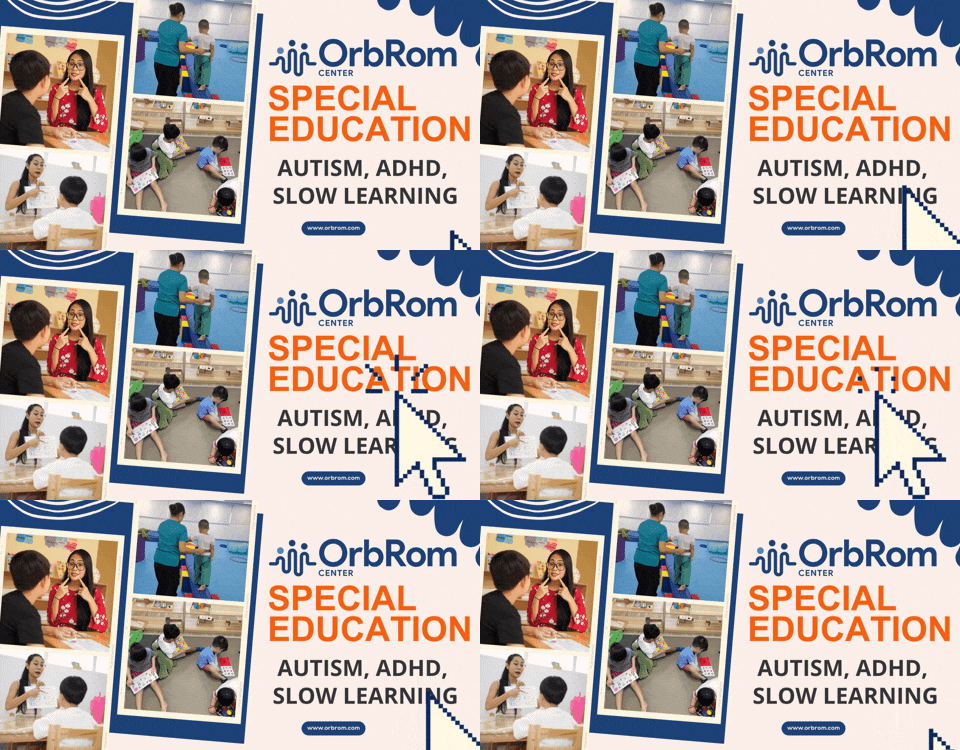
At OrbRom Center in Phnom Penh, our occupational therapists specialize in working with children on the autism spectrum—helping them master real-life skills through structured, individualized support.
The Role of OT in Autism Support
Occupational therapy focuses on empowering children to participate in daily life activities with more ease and success. For children with autism, OT addresses:
-
Self-care routines (e.g., dressing, feeding, hygiene)
-
Fine motor skills (e.g., writing, cutting, buttoning)
-
Sensory regulation (e.g., calming overstimulation, handling textures)
-
Gross motor control (e.g., coordination, balance)
-
Classroom readiness and attention skills
Explore our approach to autism therapies and treatment.
Common OT Goals for Children with Autism
At OrbRom Center, we create personalized therapy plans with specific, measurable goals such as:
-
Increasing tolerance for grooming tasks
-
Using utensils independently at mealtime
-
Following step-by-step instructions
-
Managing transitions with visual supports
-
Reducing sensory defensiveness (e.g., loud noises, clothing textures)
Learn how change-of-clothes checklists help build daily independence.
How We Structure Sessions
Children with autism thrive in structured, predictable environments. That’s why our OT sessions are:
-
Visually structured with clear routines
-
Sensory-friendly and low-distraction
-
Motivated by the child’s interests and strengths
-
Focused on one goal at a time for mastery
Each session may include movement breaks, fine motor games, sensory input, and task-based learning to support progress.
See how visual tools help children on the spectrum learn effectively.
Sensory Regulation and Autism
Many children with autism experience difficulty processing sensory input. They may:
-
Be hypersensitive to sound or touch
-
Constantly seek movement or pressure
-
Avoid messy textures
-
React strongly to light, temperature, or smells
OT helps these children regulate their sensory systems through:
-
Deep pressure techniques
-
Movement-based calming routines
-
Sensory diet planning for home and school
-
Noise management with headphones or quiet spaces
Read more about our sensory integration strategies.
Involving Parents Every Step of the Way
We believe therapy is most effective when families are involved. Our therapists work closely with parents to:
-
Identify priorities and concerns
-
Provide tools and strategies for home routines
-
Share progress through weekly updates
-
Create consistency across home, school, and therapy settings
Whether it’s toilet training, dressing, or attending school calmly, we’re here to support your family’s goals.
Discover our special needs intensive intervention program.
Real Impact, Real Change
Families at OrbRom often report:
-
Better cooperation during daily routines
-
Fewer meltdowns related to clothing or noise
-
More independent participation at school
-
Confidence in doing things “by myself”
These changes reflect not just skill-building, but emotional growth and increased quality of life.
Start the Journey Toward Independence
If your child with autism faces challenges in daily tasks or sensory regulation, occupational therapy at OrbRom Center in Phnom Penh can help. Our individualized plans, sensory-friendly environment, and compassionate therapists create a safe space for your child to grow.
Click here to learn more about our occupational therapy services.
We are the only Preschool specialized on children with special needs in PhnomPenh.
- Internationally qualified teachers
- Cambodia’s largest sensory room
- Outdoor swimming pool
- Covered outdoor playground
📞 Phone: 077.455.993
Telegram Link: https://t.me/OrbRom


Leave A Comment